 2026-05-11
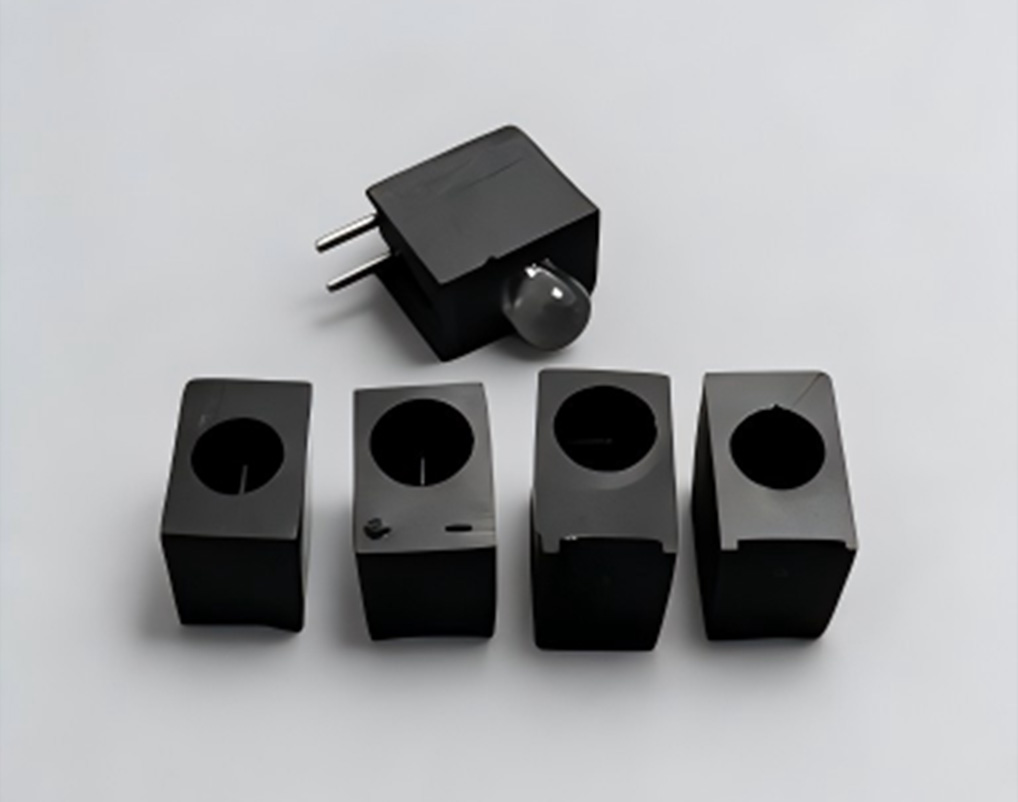
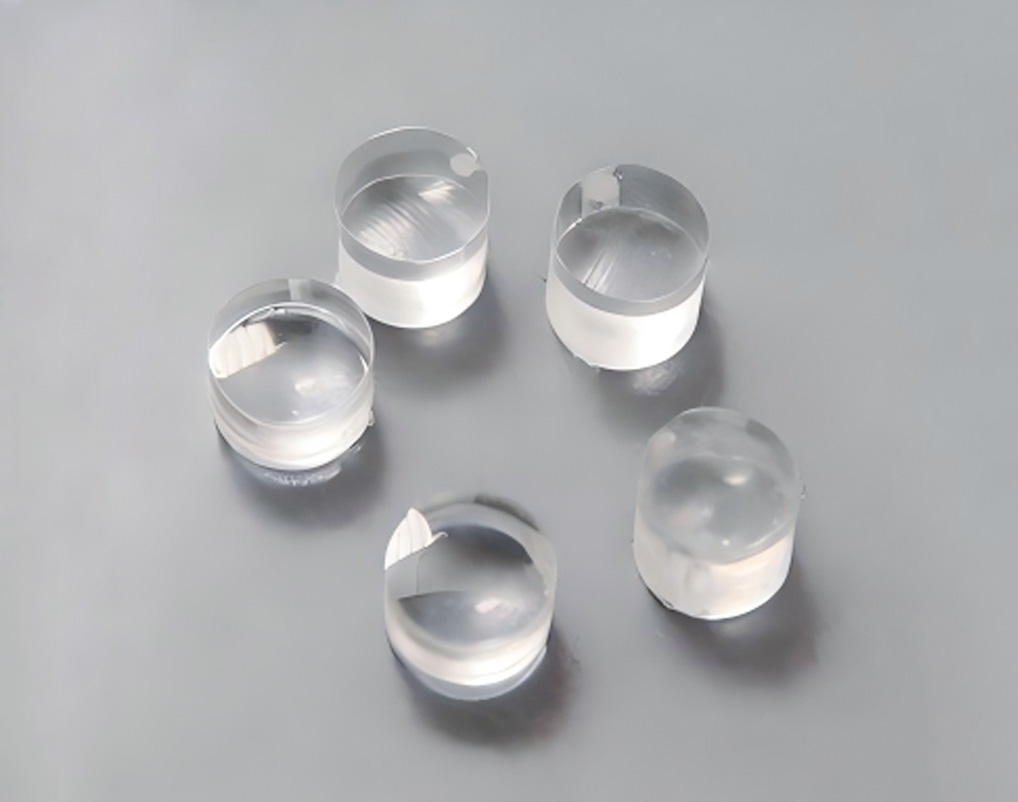
In the world of light and shadow within electronic devices, light guides act like silent magicians, precisely channelling the energy from tiny light sources to where it is needed. These transparent or translucent optical components (typically made from PC or PMMA) have become indispensable ‘light carriers’ in modern devices, thanks to their high light transmittance of over 92% and unique structural design.
Core Function: Precise Light Control
The core value of light guides lies in their precise light path control capabilities:
Path Guidance: Utilising the principle of total internal reflection within the column, light emitted from point sources such as LEDs is directed to specific display areas, such as indicator windows on device panels.
Uniform Diffusion: The column’s surface, featuring a special frosted texture or prismatic structure, softens intense point light into uniform diffuse light, preventing glaring spots and enhancing visual comfort.
Signal Enhancement: Through colour filtering or enhancement, indicator light statuses are made more conspicuous; for example, a red warning light remains clearly visible even when penetrating smoke.
Key Applications Everywhere
Consumer Electronics: Mobile phone breathing lights, keyboard backlighting, and touch-sensitive buttons on household appliances (such as microwave ovens and air conditioning panels) utilise light guidance to achieve minimalist and stylish interactive indicators.
Automotive Industry: Dashboard indicator lights and centre console button backlighting ensure drivers can quickly identify vehicle status in low-light conditions.
Medical Equipment: Status lights on surgical instruments and indicators on monitoring screens provide high-visibility, contactless alerts in sterile environments.
Industrial Control: Fault warning lights on machinery and control cabinet buttons deliver interference-resistant visual signals in complex environments.
Technological Evolution: Miniaturisation and Intelligence
In line with the trend towards slimmer and lighter devices, light guides are breaking new ground with ultra-thin (<0.5mm) and irregular curved designs. Emerging ‘integrated light guide solutions’ combine multiple indicator lights into a single light guide strip, significantly simplifying the assembly process. Some high-end products even incorporate micro-lens arrays to enable dynamic lighting effects.
According to industry reports, the global light guide component market is projected to exceed US$3 billion by 2025, with the automotive electronics and medical equipment sectors expected to grow by 12%. From buttons touched by fingertips to safety-critical warning lights, light guides quietly bridge the gap in human-machine interaction through precise optical design, making the beauty of technology clearly visible.
0769-83666560
13925577551
daiwei-coltd@126.com
Building 1, No. 1 Xingye Road, Yangwu, Qishi Town, Dongguan City, Guangdong Province



Applets

Mobile site
 English