 2026-05-11
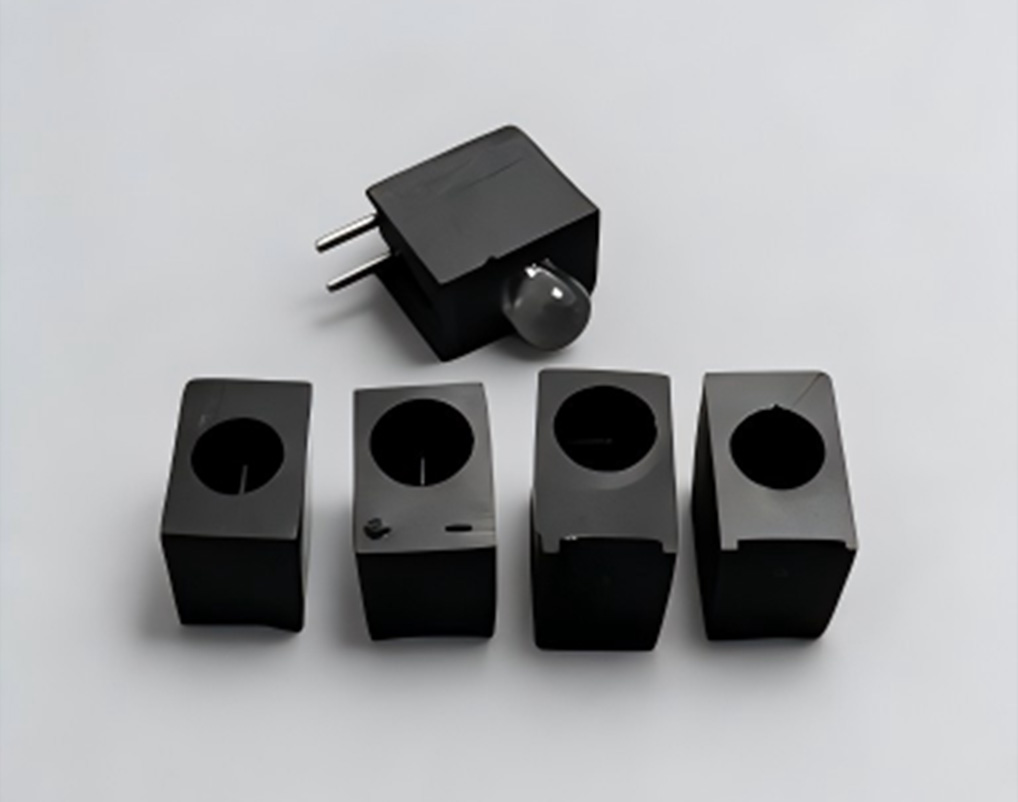
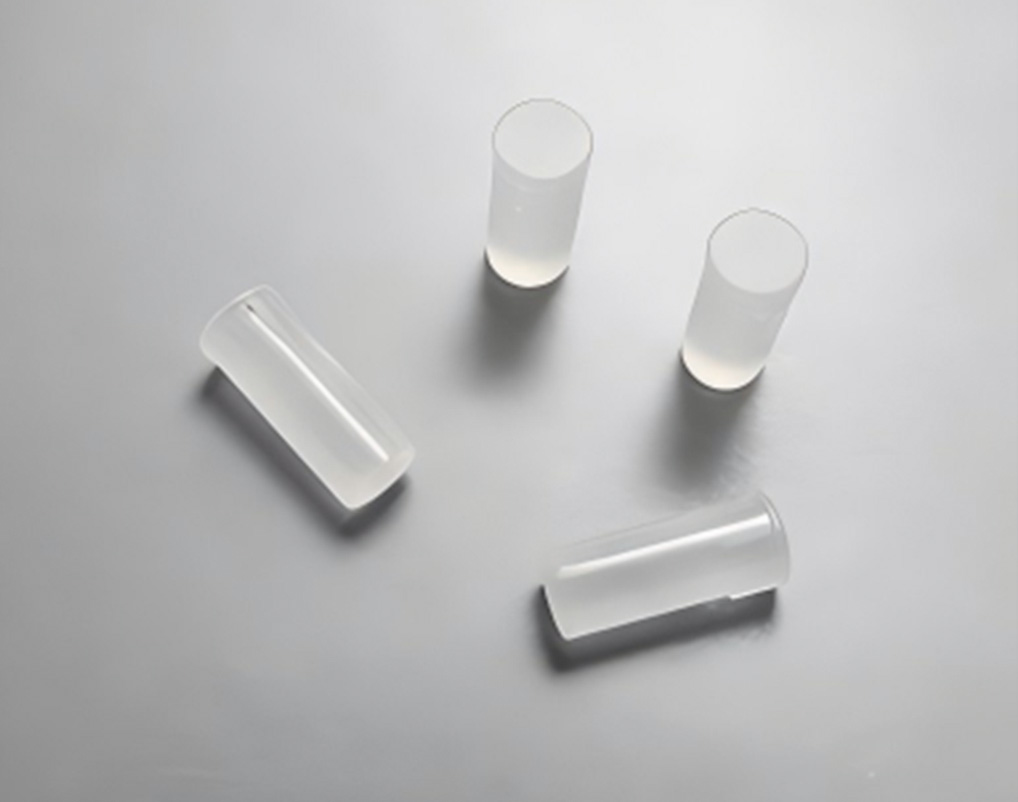
When indicator lights on electronic devices flicker faintly, when warnings are clearly displayed on a car’s dashboard, or when medical equipment in an operating theatre provides silent alerts, an unassuming yet crucial optical component is quietly at work—the light guide column. This optical device, crafted from transparent materials, has become an indispensable ‘light carrier’ in modern technological products.
Core Advantage: Precise Light Control, Simplifying Complexity
The widespread adoption of light guides stems from their unique optical properties. Manufactured from PC or PMMA, these components boast a light transmittance of over 92%, enabling efficient light transmission with minimal attenuation. Their core principle lies in utilising the total internal reflection effect to transform a point light source (such as an LED) into a uniform area light, thereby eliminating glaring spots and enhancing visual comfort.
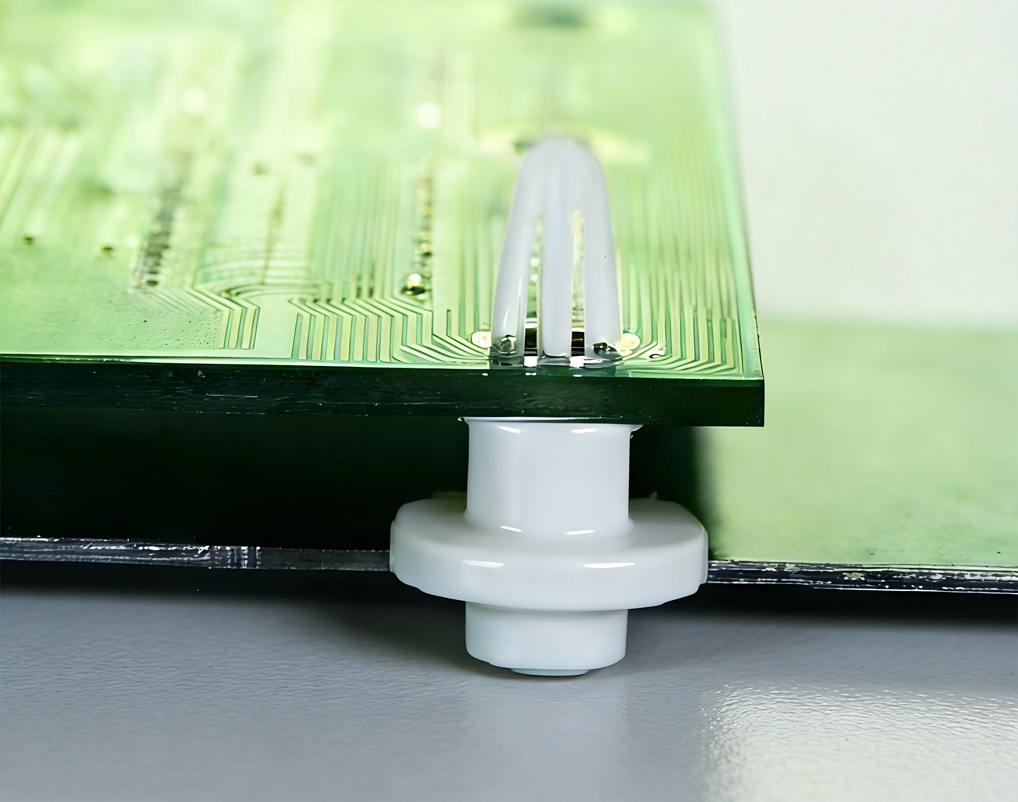
Even more ingenious is the modular design, which allows for flexible light path configuration using just a few simple components: a combination of a bracket and a secondary light guide column achieves linear light transmission; adding a right-angle light guide column enables a 90-degree turn; and multi-stage combinations can even achieve complex, zigzag light transmission. This flexible adaptability allows them to be easily integrated into a wide range of space-constrained devices.
Technological Evolution: Driven by Intelligence and Precision Manufacturing
Innovations in manufacturing processes have further accelerated the widespread adoption of light guides. Tongli Technology’s automated light guide assembly equipment, featuring suction components and elastic protective blocks, significantly improves installation precision and yield rates. Senpu Precision’s patented assembly jig, combining pressure sensing with intelligent control, reduces assembly damage rates by over 40%.
Lian Gang Precision’s beam optimisation technology represents a breakthrough in optical design. Its patented light guide column utilises a combination of a focusing mechanism and a diffusing lens to transform a concentrated beam into a uniform, soft diffuse light, ensuring brightness whilst reducing visual fatigue.
0769-83666560
13925577551
daiwei-coltd@126.com
Building 1, No. 1 Xingye Road, Yangwu, Qishi Town, Dongguan City, Guangdong Province



Applets

Mobile site
 English